
How to Look for Fresh Fish at Your Local Market
No specialty fish market nearby? Here's how to evaluate eyes, gills, smell, and texture before you buy.
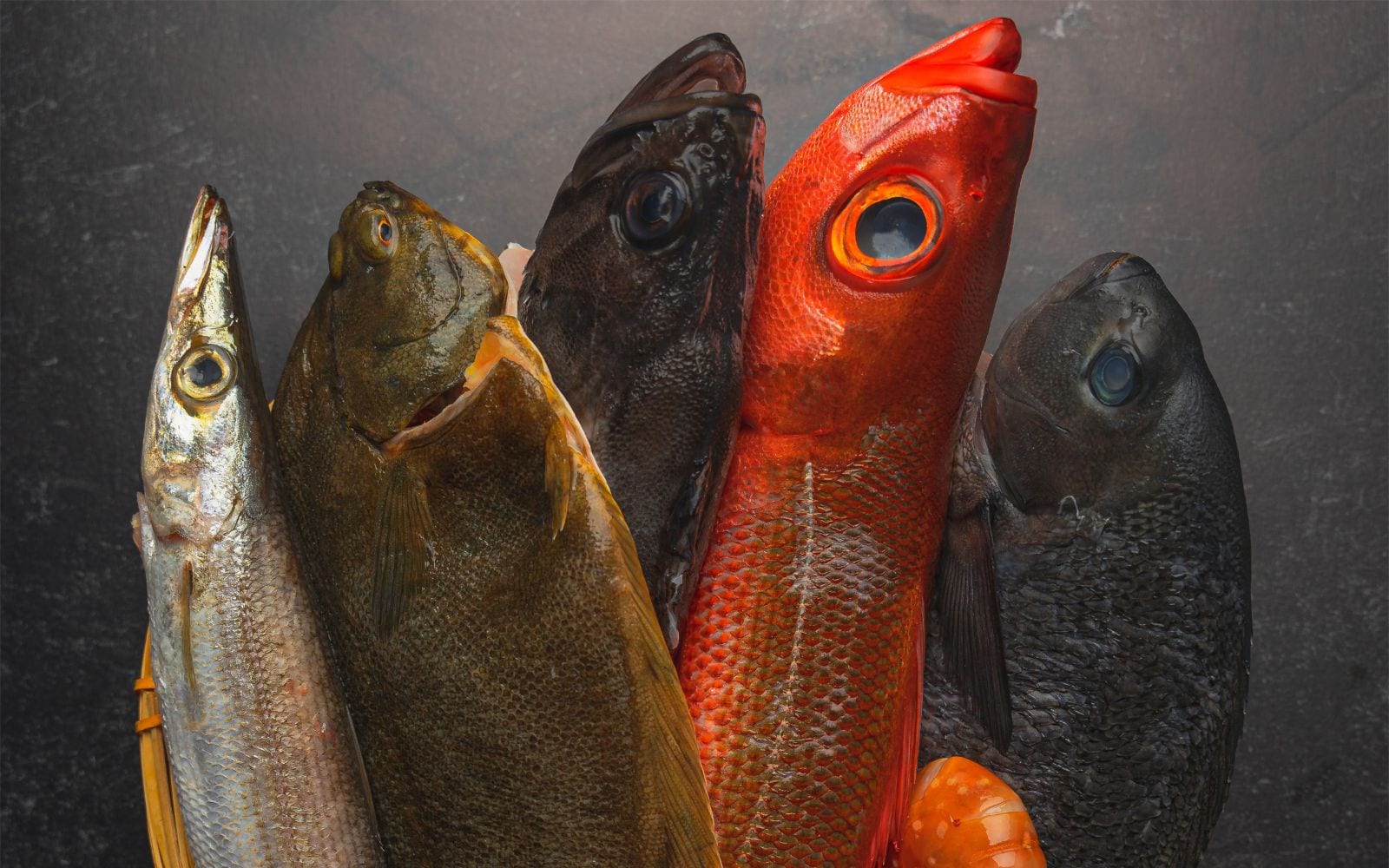
Good sushi calls for the freshest fish possible. Sometimes we do not have access to a specialty fish market or a trusted seafood supplier, so it is important to know how to evaluate fish at your local market.
Freshness affects flavor, texture, safety, and the overall quality of your sushi. Use your senses, ask questions, and never be afraid to inspect the fish carefully before buying it.
1. Check the Eyes
When buying a whole fish, the eyes should be:
- Clear
- Bright
- Full
- Slightly rounded
Avoid fish with eyes that are cloudy, sunken, gray, or dull. Cloudy eyes can be a sign that the fish has been sitting too long.
2. Look at the Gills
The gills should be ruby red or bright red and appear moist.
Fresh gills usually have a clean, vibrant color. Avoid fish with gills that are brown, gray, pale, slimy, or dried out. Darkened gills often indicate that the fish is no longer at its best.
3. Smell the Fish
Fresh fish should have a clean, mild smell—often similar to the ocean or clean seawater.
Most fresh fish should not have a strong smell. Avoid fish that smells sour, overly fishy, ammonia-like, rotten, or unpleasant. A strong odor is one of the clearest warning signs that the fish is past its prime.
4. Press the Flesh
Gently press the thickest part of the fish with a clean finger or ask the fishmonger to do it.
Fresh flesh should be firm and spring back quickly when pressed. If the meat pushes back out and returns to its original shape, that is a good sign.
If the flesh stays down, feels soft, or leaves a visible dip, the fish is not fresh. Mushy or loose flesh can indicate that the fish has been stored too long or handled poorly.
5. Check the Skin and Scales
For whole fish, the skin should look bright, moist, and naturally shiny. The scales should be firmly attached and should not fall off easily.
Avoid fish with dull, dry, wrinkled, or discolored skin. Excessive slime, bruising, or damaged areas can also indicate poor handling or age.
6. Examine the Color
The flesh should have a natural, vibrant color appropriate to the species.
It should not look gray, brown, yellow, faded, or unusually dark. Be cautious if the color appears unnaturally bright, as some seafood may be treated or displayed under lighting that makes it look fresher than it is.
For fillets, the flesh should look moist and translucent rather than dry, chalky, or separated.
7. Look for Excess Liquid
Fresh fish should not be sitting in a large amount of cloudy liquid. Excess liquid in the package can be a sign of aging, poor storage, or repeated thawing.
The package should be intact, cold, and free from leaks. Avoid packages that are swollen, torn, or filled with excessive liquid.
8. Check the Texture of Fillets
A fresh fillet should have:
- Firm flesh
- A clean surface
- Even color
- Moisture without being wet or slimy
- Tightly connected muscle fibers
Avoid fillets that look dry around the edges, have gaps between the muscle fibers, or appear soft and broken apart.
9. Ask When the Fish Arrived
Do not be afraid to ask the fishmonger questions.
You can ask:
- When did this fish arrive?
- Was it previously frozen?
- Where was it caught or farmed?
- How has it been stored?
- Is it suitable for raw preparation?
- Has it been handled for sushi or sashimi service?
A knowledgeable fishmonger should be able to answer clearly. If the staff cannot explain the fish’s history or storage, choose another product or another market.
10. Understand “Sushi-Grade”
The term “sushi-grade” is not regulated consistently everywhere. It does not automatically guarantee that fish is safe to eat raw.
Fish intended to be eaten raw should come from a reputable supplier who understands parasite control, cold storage, and proper handling. Many types of fish require specific freezing procedures to reduce parasite risks.
Ask the seller whether the fish has been frozen according to appropriate food-safety standards for raw consumption. When in doubt, do not serve the fish raw.
11. Keep Fish Cold
Fresh fish should be kept very cold from the market to your kitchen.
Bring an insulated bag or cooler when shopping. Keep the fish surrounded by ice packs, but prevent meltwater from soaking into the package.
Once home, refrigerate the fish immediately and use it as soon as possible. Do not leave seafood at room temperature for extended periods.
12. Prevent Cross-Contamination
Use clean cutting boards, knives, towels, and containers when handling fish.
Keep raw fish separate from cooked foods, vegetables, and ready-to-eat ingredients. Wash your hands before and after handling seafood, and sanitize all surfaces afterward.
Clean handling is just as important as selecting fresh fish.
13. Trust Your Senses
If the fish looks wrong, smells wrong, or feels wrong, do not buy it.
Freshness should be obvious. You should not have to convince yourself that a questionable piece of fish is acceptable. It is better to walk away than to risk poor quality or foodborne illness.
The Goal
Fresh fish should have:
- Clear, bright eyes
- Ruby-red, moist gills
- A clean, mild ocean smell
- Firm flesh that springs back when pressed
- Bright, natural color
- Moist, shiny skin
- Tightly attached scales
- No excessive slime, bruising, or cloudy liquid
- Proper cold storage and reliable handling
Good sushi begins with good ingredients. Learn how to inspect the fish, ask the right questions, keep it cold, and handle it carefully.
Look at the eyes. Check the gills. Smell the fish. Press the flesh. Ask where it came from. And when in doubt, do not serve it raw.
That is how you choose better fish at your local market.
Enjoy!